
Technical Analysis
Order flow in trading explained: what it is and how traders use it
A practical guide to order flow, bid and ask activity, and how traders use execution information to add context to chart-based decisions.
On this page+
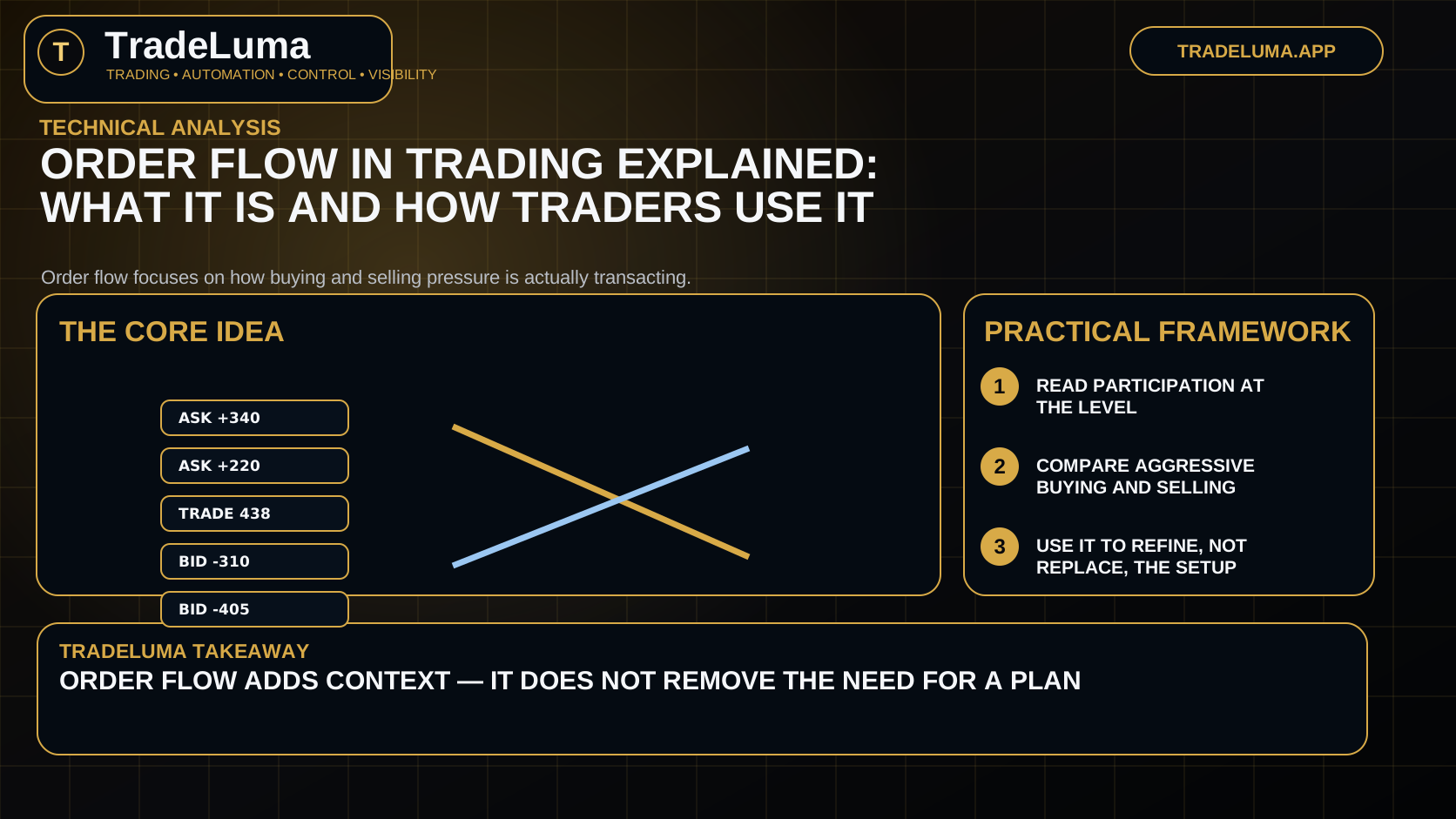
A practical guide to order flow, bid and ask activity, and how traders use execution information to add context to chart-based decisions. Order flow focuses on how buying and selling pressure is actually transacting.
What order flow means
Order flow looks at how orders are interacting in real time, often through bid and ask activity, traded volume, or depth-of-market information.
Instead of looking only at where price is, traders study how buying and selling pressure is being expressed at important levels.
Why traders use order flow
Order flow can help a trader assess whether a breakout is supported by aggressive participation or whether a move is stalling despite reaching a key price.
It is commonly used as a timing or confirmation layer rather than as a complete strategy by itself.
Common order flow concepts
Examples include absorption, exhaustion, imbalance, aggressive lifting of the offer, or repeated selling hitting the bid.
Each concept attempts to describe whether one side is pushing successfully or being absorbed by liquidity on the other side.
How it fits with chart context
Order flow usually works best when the trader already understands higher-timeframe structure, nearby levels, and the type of setup being considered.
Without that context, real-time order data can become noisy and easy to over-interpret.
Common mistakes
A common mistake is assuming order flow can make every trade certain. Another is reacting to each burst of activity without a larger plan.
The most practical use is usually to refine execution around an already well-defined setup.
Frequently asked questions
What is order flow in trading?+
Order flow refers to the real-time interaction of buyers and sellers, often observed through bid, ask, and traded-volume information.
Is order flow only for short-term traders?+
It is most common among short-term traders, but it can still add context for broader strategies.
Can order flow replace chart analysis?+
Usually no. Most traders use it to complement structure and levels rather than replace them.
Technical analysis
Continue with the topic hub.
Browse the related TradeLuma guides and build the topic from foundations through practical application.
Explore Technical analysis guides →Continue learning
Related guides.
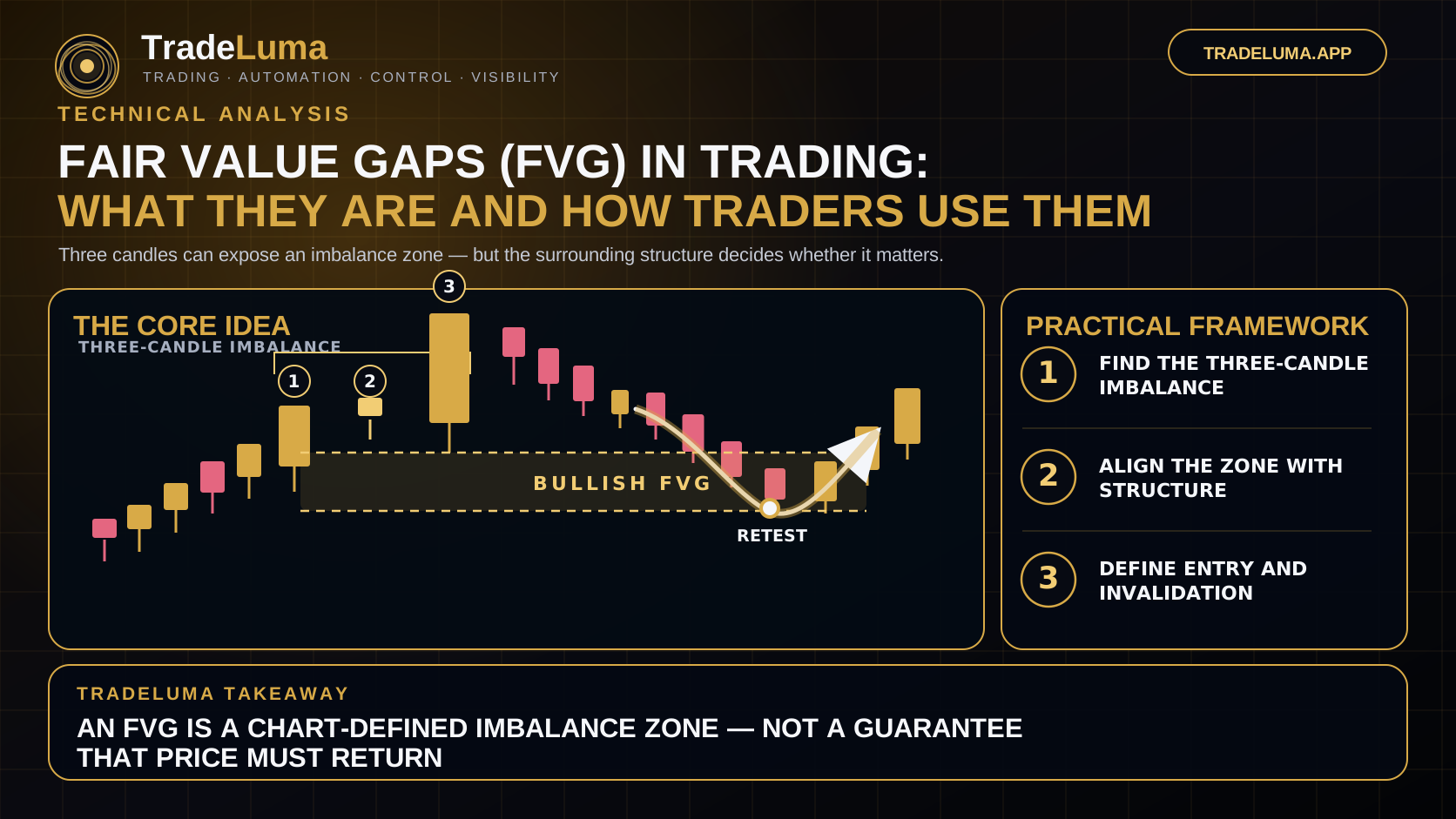
Fair Value Gaps (FVG) in Trading: What They Are and How Traders Use Them
Learn what fair value gaps are, how traders identify bullish and bearish FVGs, and how imbalance zones are combined with structure and risk.
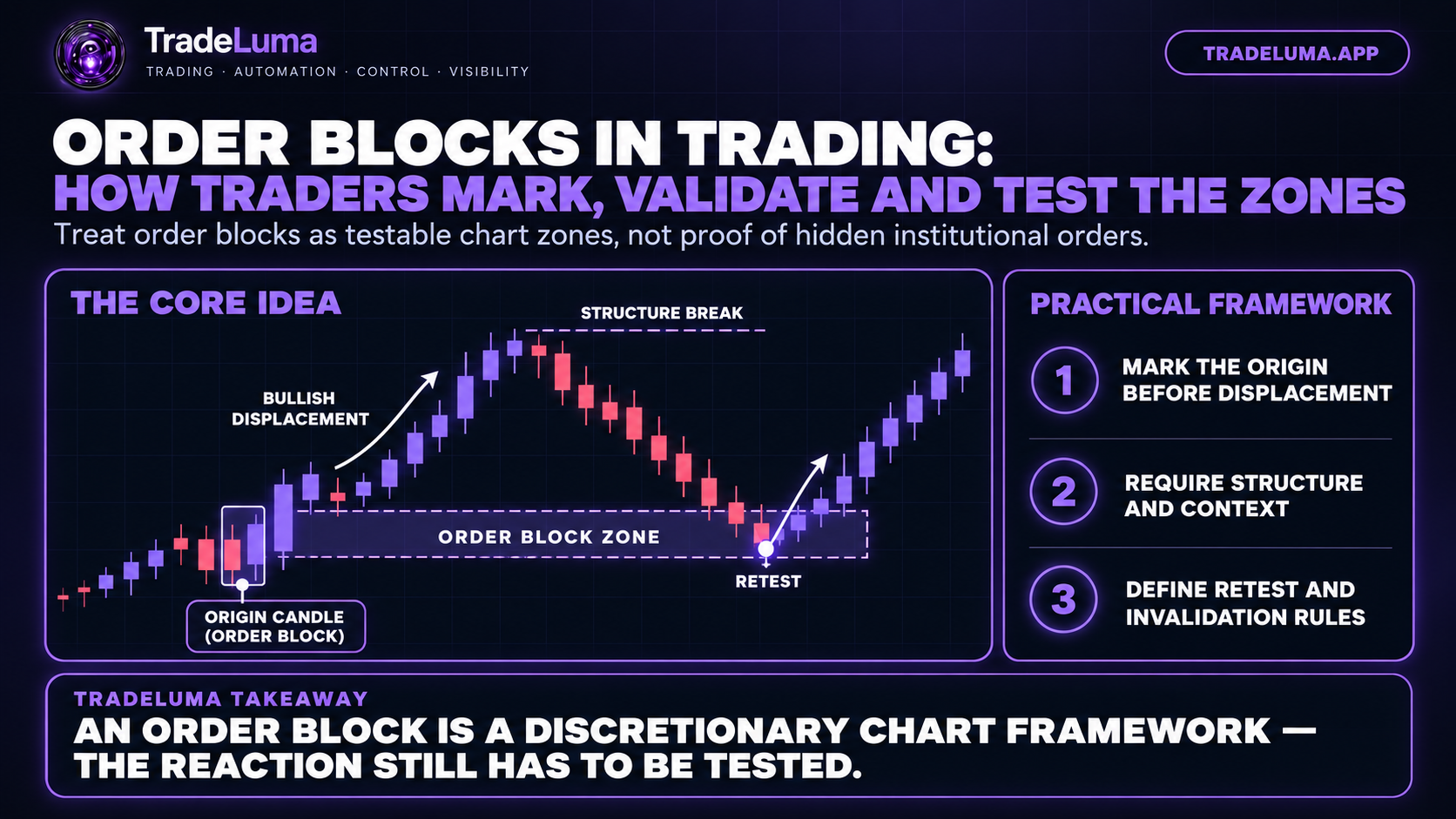
Order Blocks in Trading: How Traders Mark, Validate and Test the Zones
Learn what order blocks mean in technical analysis, how bullish and bearish zones are marked, and how traders test displacement, retests, and invalidation.
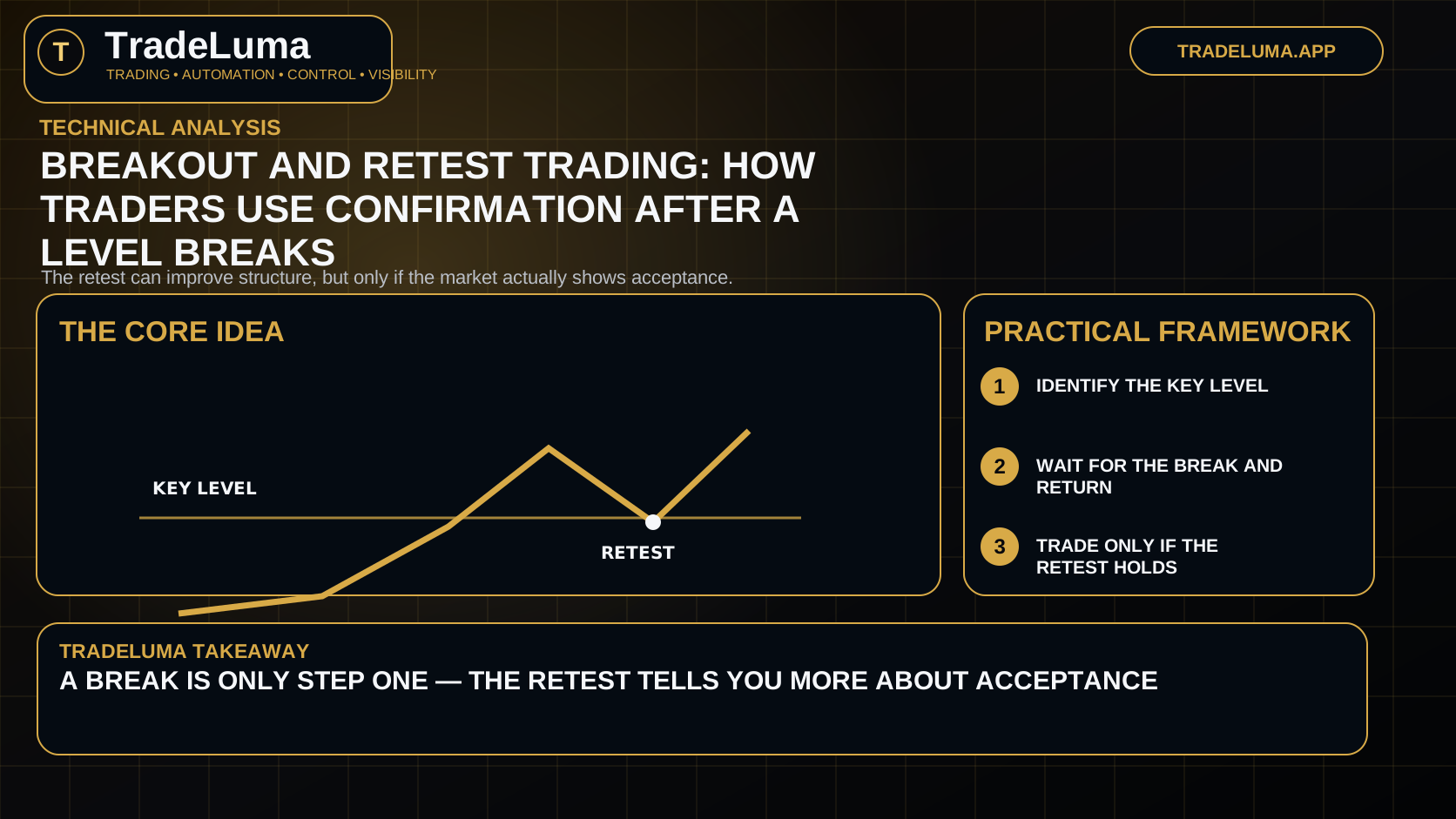
Breakout and retest trading: how traders use confirmation after a level breaks
Learn what a breakout and retest setup is, why many traders prefer it, and how to avoid confusing every pullback with confirmation.