
Trading Foundations
Options trading for beginners: calls, puts, and the risks to understand first
A beginner-friendly introduction to options trading, including calls, puts, premium, expiration, and why options behave differently from simple share or futures positions.
On this page+
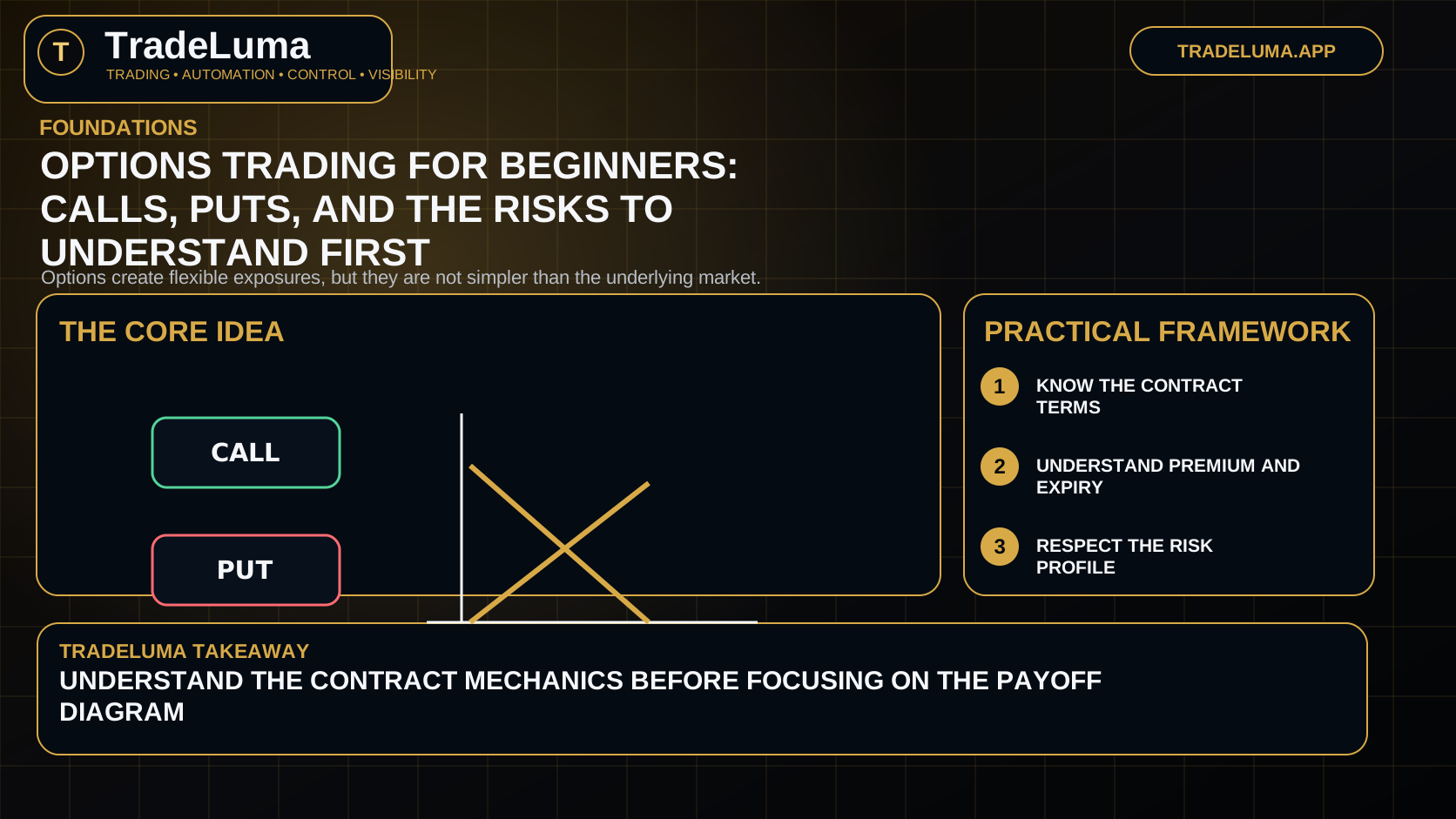
A beginner-friendly introduction to options trading, including calls, puts, premium, expiration, and why options behave differently from simple share or futures positions. Options create flexible exposures, but they are not simpler than the underlying market.
What an option is
An option is a contract that gives the holder a right, but not an obligation, to buy or sell an underlying asset under specified terms.
The two basic types are calls and puts, and each behaves differently from simply owning or shorting the underlying market.
Why options attract traders
Options can express bullish, bearish, neutral, or volatility-based views and can create defined-risk structures in some strategies.
They also provide flexibility in how exposure is built, but that flexibility comes with extra pricing variables and contract mechanics.
Key concepts beginners need
Important concepts include strike price, premium, expiration, intrinsic value, and time value.
A trader should also understand that option prices respond to time decay and changes in implied volatility, not only the direction of the underlying asset.
Risk is not always obvious
Buying an option limits the premium paid, but beginners can still underestimate how quickly time decay can work against an otherwise reasonable directional view.
More advanced multi-leg or short-option strategies can create very different risks from simple long calls and puts.
A careful beginner approach
Beginners often benefit from starting with education, simulated examples, and a clear understanding of contract behaviour before risking real capital.
The key question is not whether options can be profitable, but whether the trader understands what actually drives the option price and maximum loss.
Frequently asked questions
What is the difference between a call and a put?+
A call gives the holder the right to buy, while a put gives the holder the right to sell under the contract terms.
Are options suitable for beginners?+
They can be learned by beginners, but contract mechanics, time decay, and volatility need to be understood first.
Why do options lose value over time?+
Because time value generally decays as expiration approaches, although the exact effect depends on the option and market conditions.
Put it into practice
Use the risk maths next to the guide.
Open TradeLuma's free position-size, risk/reward, expectancy, and drawdown tools to test the numbers behind a risk-management decision.
Open free trading calculators →Continue learning
Related guides.
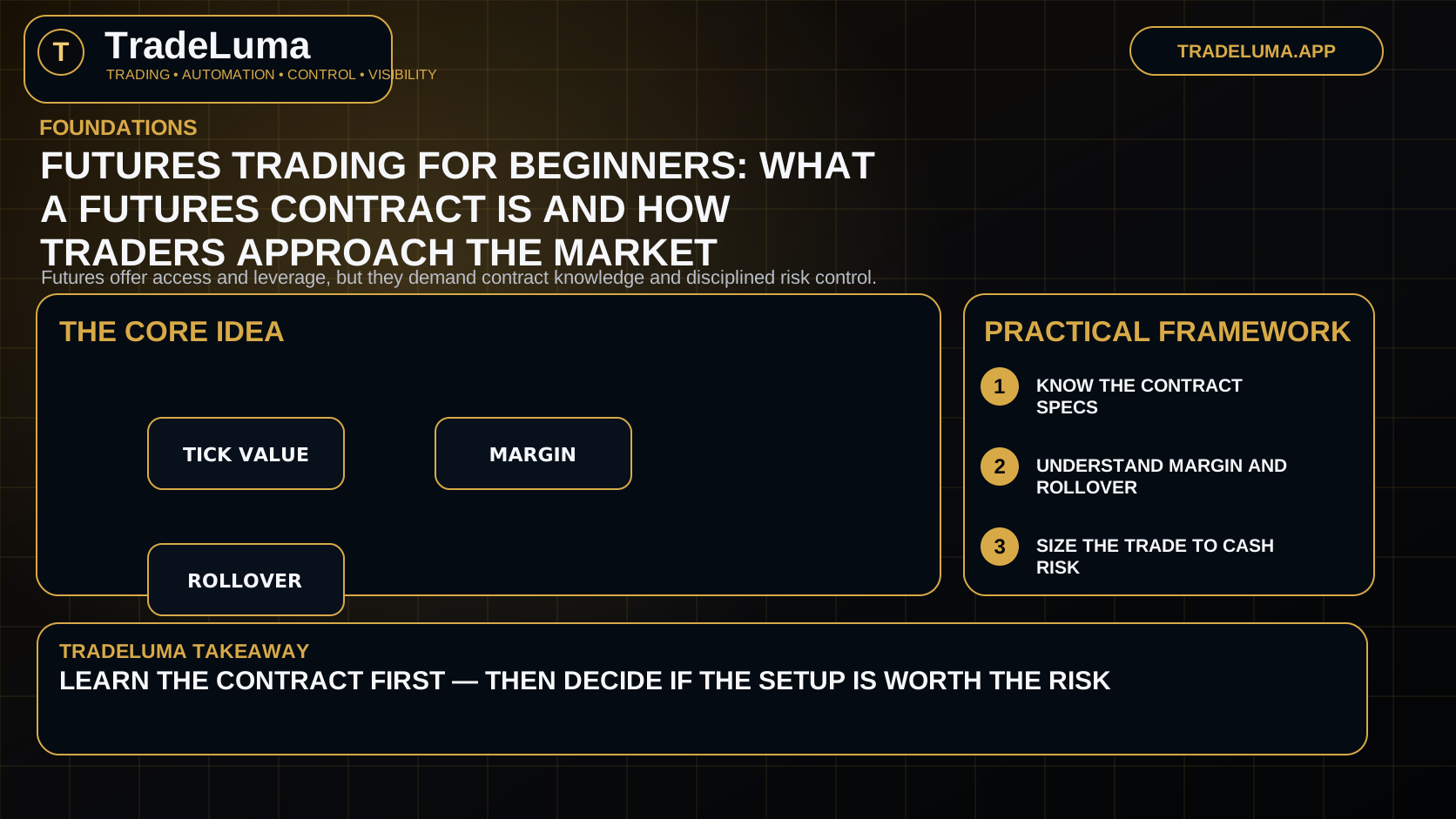
Futures trading for beginners: what a futures contract is and how traders approach the market
A beginner-friendly guide to futures trading, covering contract basics, margin, rollover, leverage, and practical risk considerations.
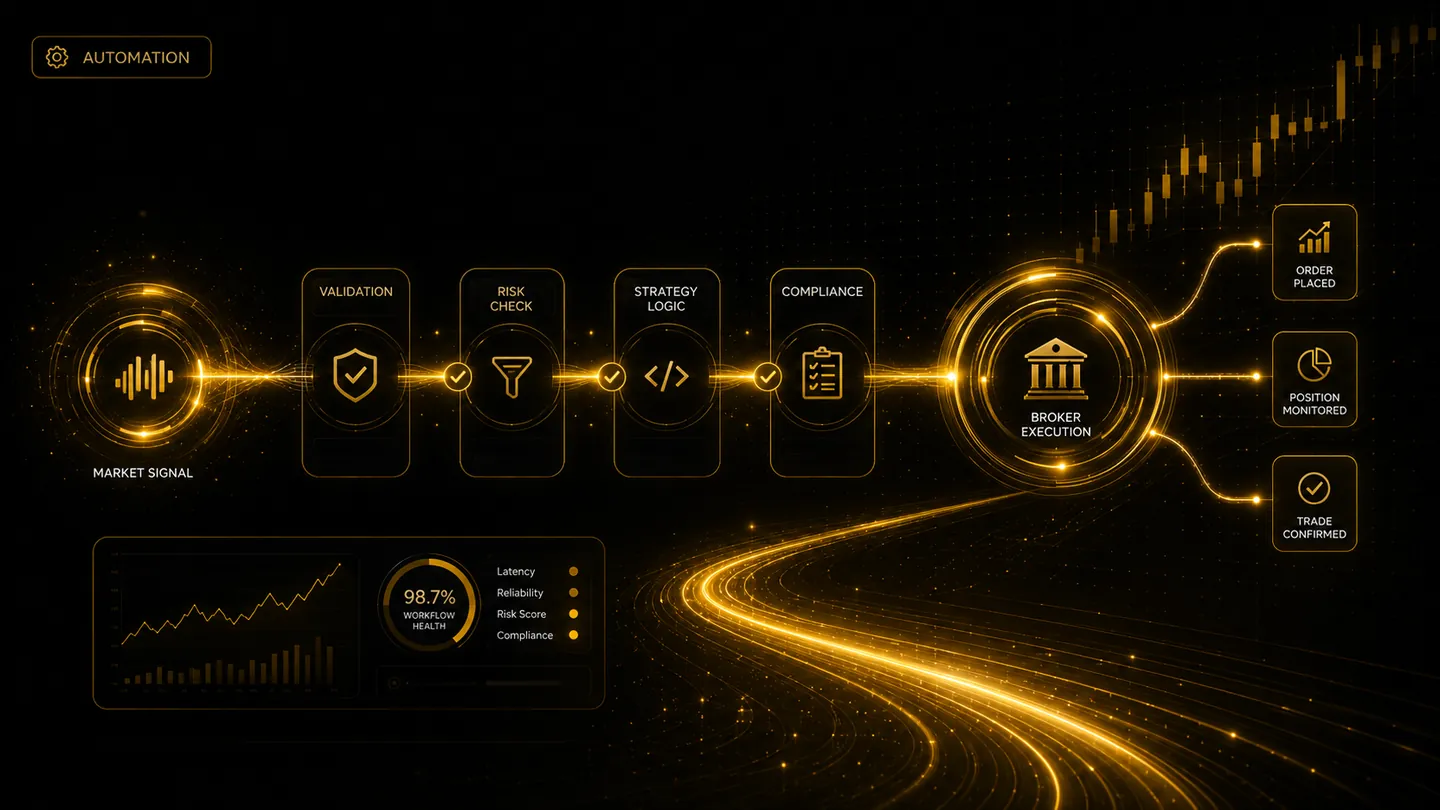
What is automated trading? A practical introduction for self-directed traders
Understand what automated trading does, what it does not do, and the components needed to turn a trading rule into a controlled execution workflow.
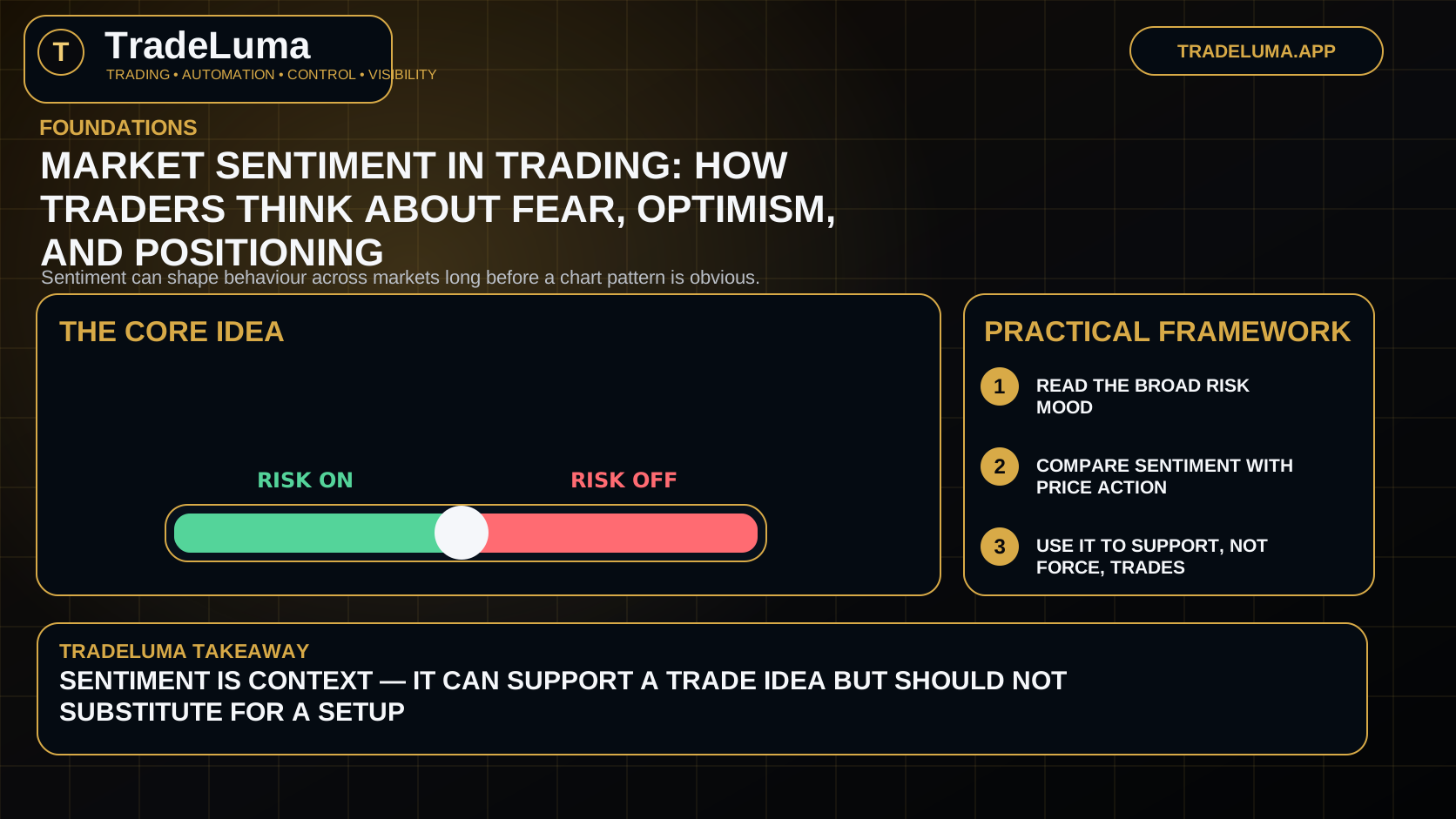
Market sentiment in trading: how traders think about fear, optimism, and positioning
Learn what market sentiment means, how it differs from simple price direction, and how traders use sentiment as context rather than as certainty.