
Trading Foundations
Futures trading for beginners: what a futures contract is and how traders approach the market
A beginner-friendly guide to futures trading, covering contract basics, margin, rollover, leverage, and practical risk considerations.
On this page+
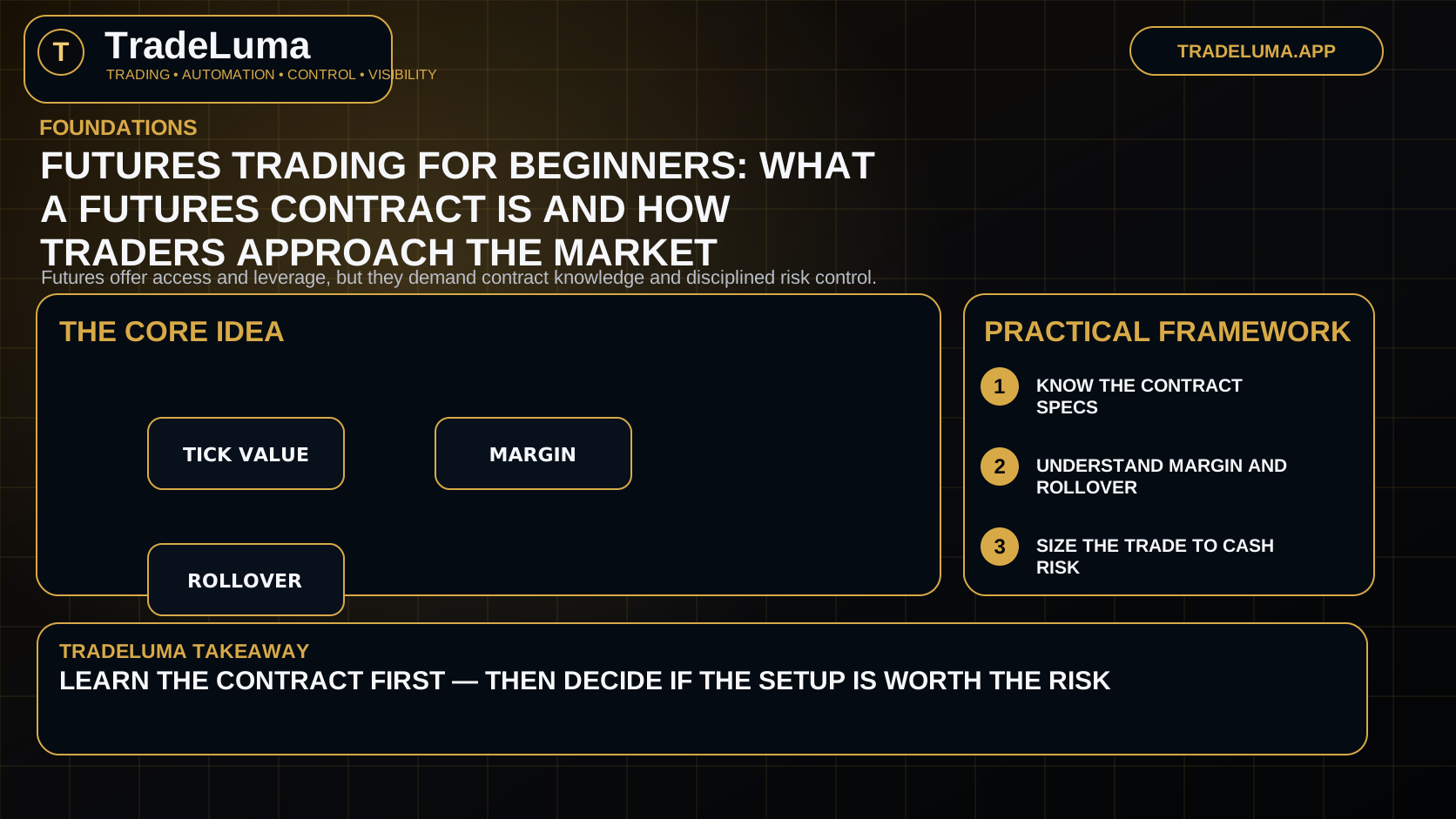
A beginner-friendly guide to futures trading, covering contract basics, margin, rollover, leverage, and practical risk considerations. Futures offer access and leverage, but they demand contract knowledge and disciplined risk control.
What a futures contract is
A futures contract is a standardised agreement tied to an underlying market and a defined contract month. Many active traders use futures for speculation and close positions before expiry.
Futures exist across equity indices, commodities, currencies, rates, and other markets, with each contract carrying exchange-defined terms.
Why traders use futures
Futures are popular because they are centralised, often liquid, and allow traders to gain exposure with margin rather than paying the full notional value upfront.
They also provide straightforward long and short access, which appeals to many active trading strategies.
Contract specifications matter
Every futures contract has a tick size, tick value, multiplier, trading hours, and expiry cycle. A trader should understand these before placing even a paper trade.
Ignoring contract specifications can lead to accidental oversizing or confusion about how profit, loss, and margin are calculated.
Margin, leverage, and rollover
Margin allows control of a larger notional position with a smaller amount of capital, which increases both opportunity and risk.
Futures also expire, so traders need to understand rollover timing and the difference between a continuous chart symbol and the actual tradable contract month.
Beginner risk management
Beginners often benefit from starting with smaller contracts, clear loss limits, and a strong focus on process instead of trying to maximise leverage immediately.
Futures can be useful trading instruments, but contract knowledge and risk discipline should come before size.
Frequently asked questions
Is futures trading suitable for beginners?+
It can be, but beginners need to understand contract specifications, margin, and leverage before risking real money.
What is the difference between margin and contract value?+
Margin is the amount required to open and maintain a position, while the contract’s notional value is the total underlying exposure.
What is rollover in futures?+
Rollover is the process of moving attention or positions from an expiring contract month to a later active contract month.
Put it into practice
Use the risk maths next to the guide.
Open TradeLuma's free position-size, risk/reward, expectancy, and drawdown tools to test the numbers behind a risk-management decision.
Open free trading calculators →Continue learning
Related guides.
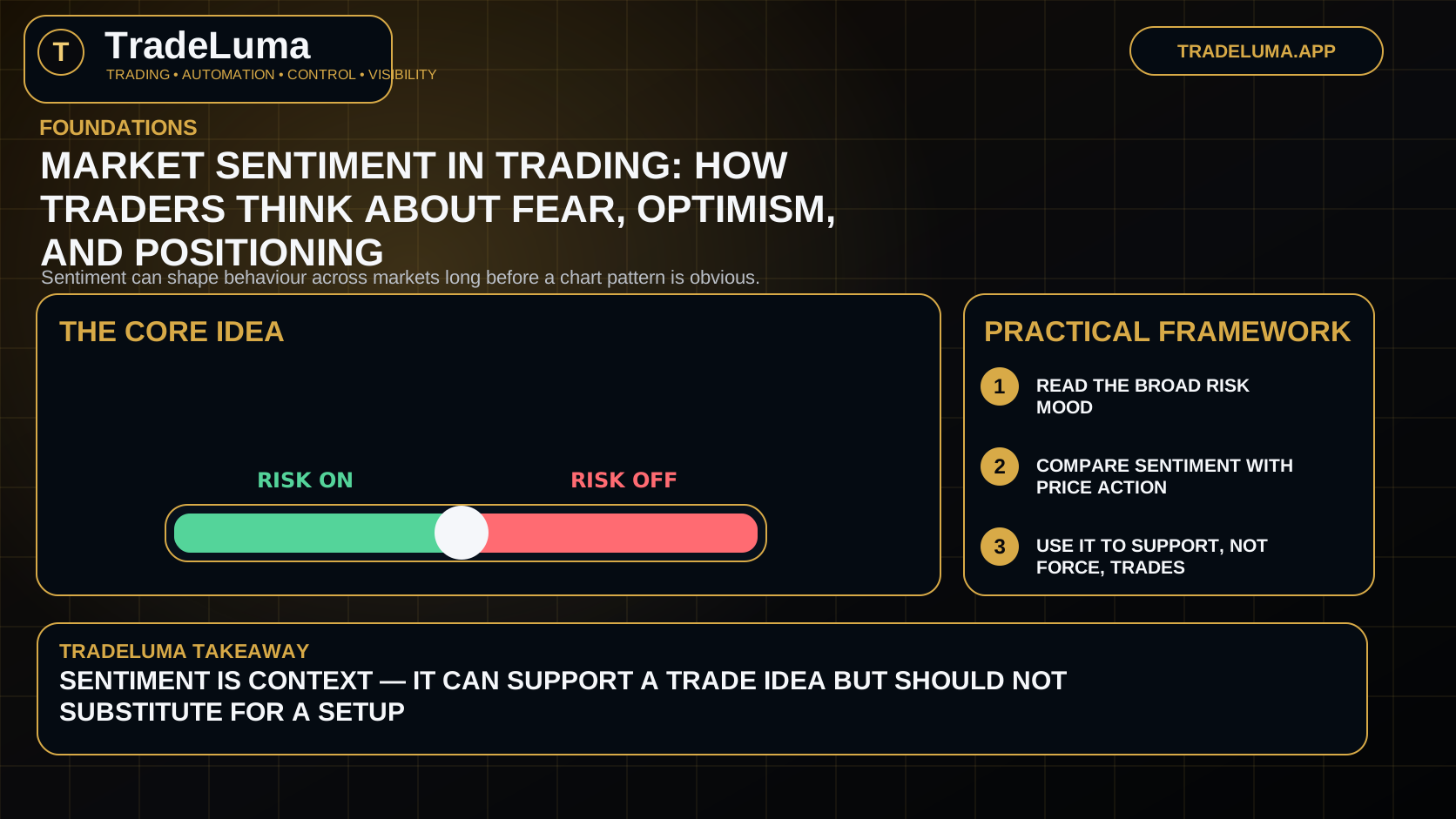
Market sentiment in trading: how traders think about fear, optimism, and positioning
Learn what market sentiment means, how it differs from simple price direction, and how traders use sentiment as context rather than as certainty.
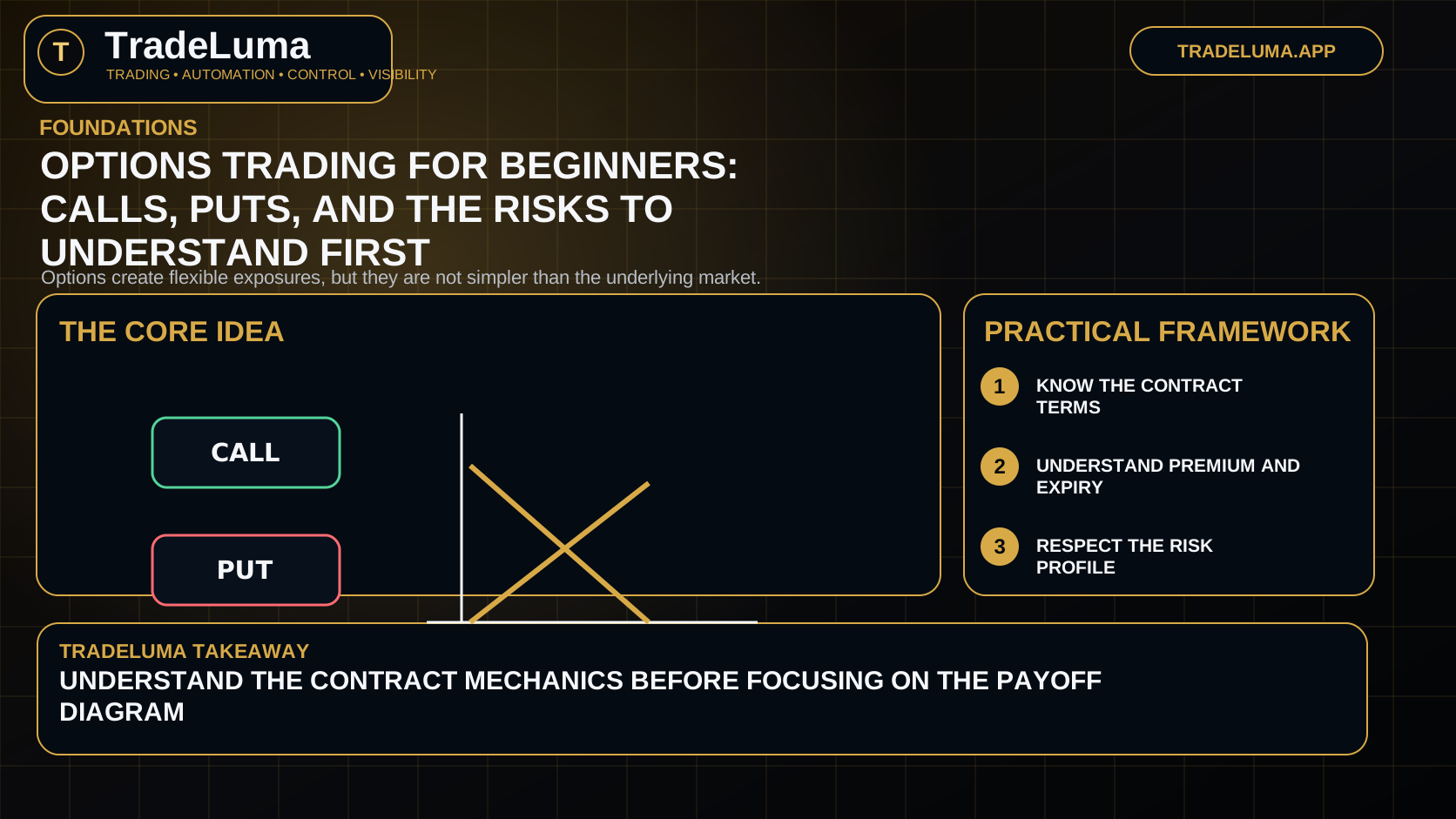
Options trading for beginners: calls, puts, and the risks to understand first
A beginner-friendly introduction to options trading, including calls, puts, premium, expiration, and why options behave differently from simple share or futures positions.
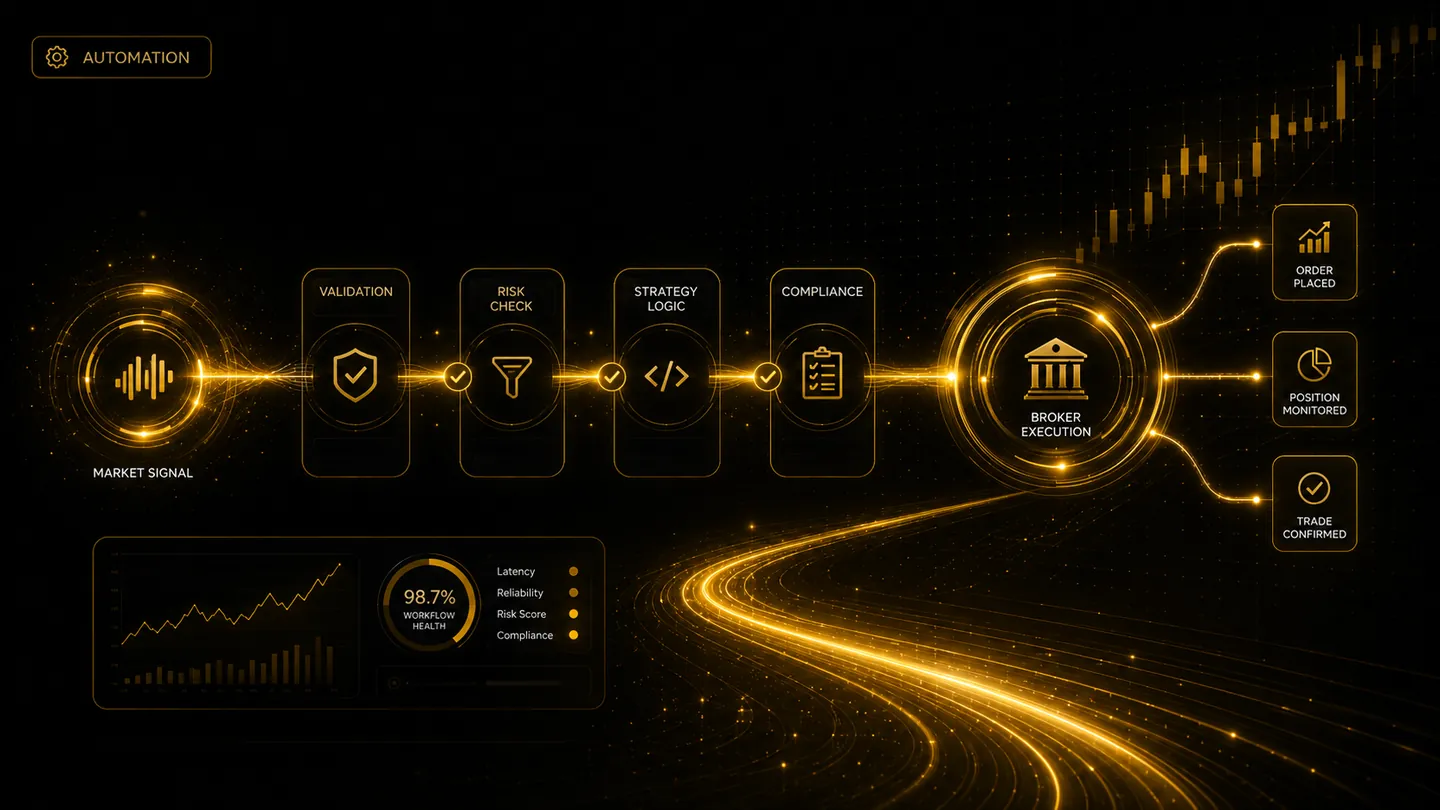
What is automated trading? A practical introduction for self-directed traders
Understand what automated trading does, what it does not do, and the components needed to turn a trading rule into a controlled execution workflow.