
Trading Foundations
Market sentiment in trading: how traders think about fear, optimism, and positioning
Learn what market sentiment means, how it differs from simple price direction, and how traders use sentiment as context rather than as certainty.
On this page+
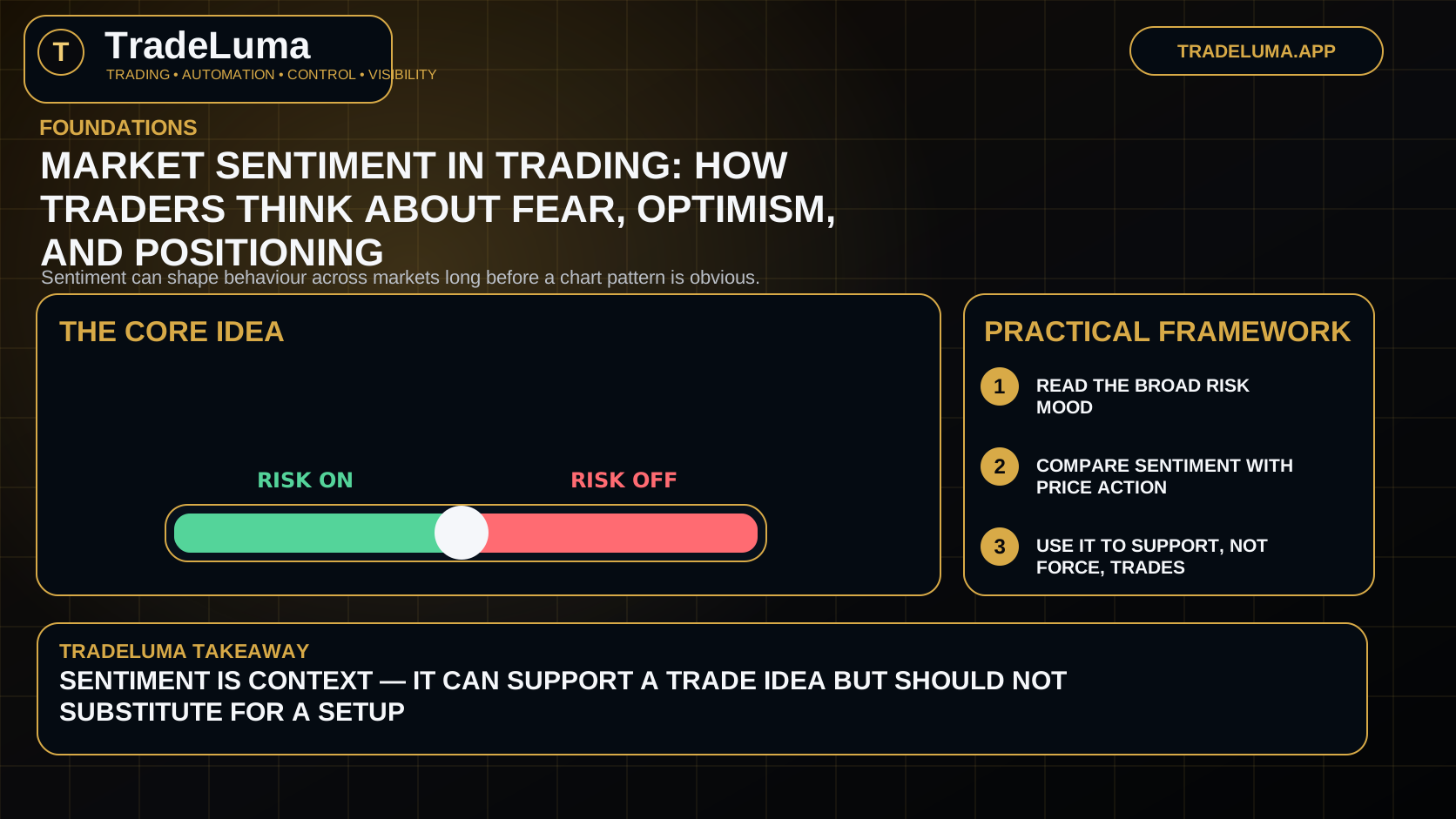
Learn what market sentiment means, how it differs from simple price direction, and how traders use sentiment as context rather than as certainty. Sentiment can shape behaviour across markets long before a chart pattern is obvious.
What market sentiment means
Market sentiment describes the prevailing mood or bias of participants, such as optimism, fear, risk appetite, or defensive positioning.
It is not exactly the same as price direction. Sentiment is more about how participants are behaving and what they appear willing to own or avoid.
Why sentiment matters
Sentiment can influence which assets attract capital, which ones are sold aggressively, and how far trends or reversals extend.
It can also help explain why similar technical setups behave differently in different broader environments.
How traders observe sentiment
Traders may look at price behaviour across related assets, volatility conditions, market breadth, positioning narratives, and major macro themes.
No single indicator captures sentiment perfectly, which is why it is usually treated as background context rather than a mechanical signal.
Sentiment versus a trade setup
A bullish sentiment backdrop does not mean every long trade is valid, and a defensive backdrop does not mean every short is high quality.
Sentiment is most useful when it supports or challenges a clearly defined technical or systematic setup.
Common mistakes
A common mistake is using sentiment as a story to justify a trade that lacks structure. Another is assuming a sentiment extreme must immediately reverse the market.
Sentiment can be useful, but timing still comes from the actual trade rules.
Frequently asked questions
What is market sentiment in trading?+
It is the broader mood or bias of market participants, such as optimism, fear, or risk aversion.
Can market sentiment predict price?+
It can provide useful context, but it is not a guaranteed prediction tool.
How do traders use sentiment?+
Usually as a supporting layer to understand the environment and to align or challenge a trade idea.
Keep learning
Continue through the TradeLuma research library.
Browse practical guides across trading, automation, execution, futures, technical analysis, and risk management.
Browse all guides →Continue learning
Related guides.
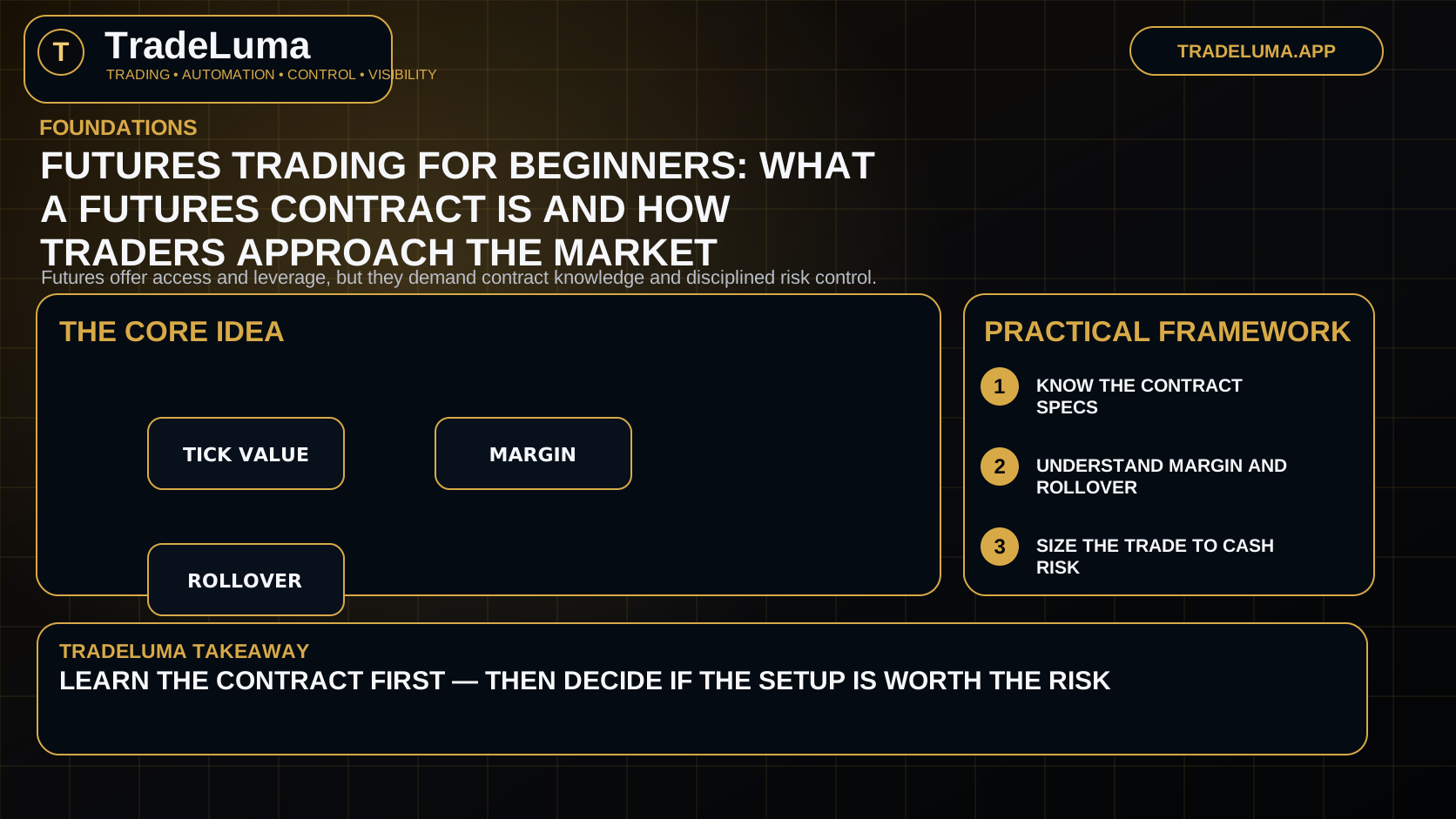
Futures trading for beginners: what a futures contract is and how traders approach the market
A beginner-friendly guide to futures trading, covering contract basics, margin, rollover, leverage, and practical risk considerations.
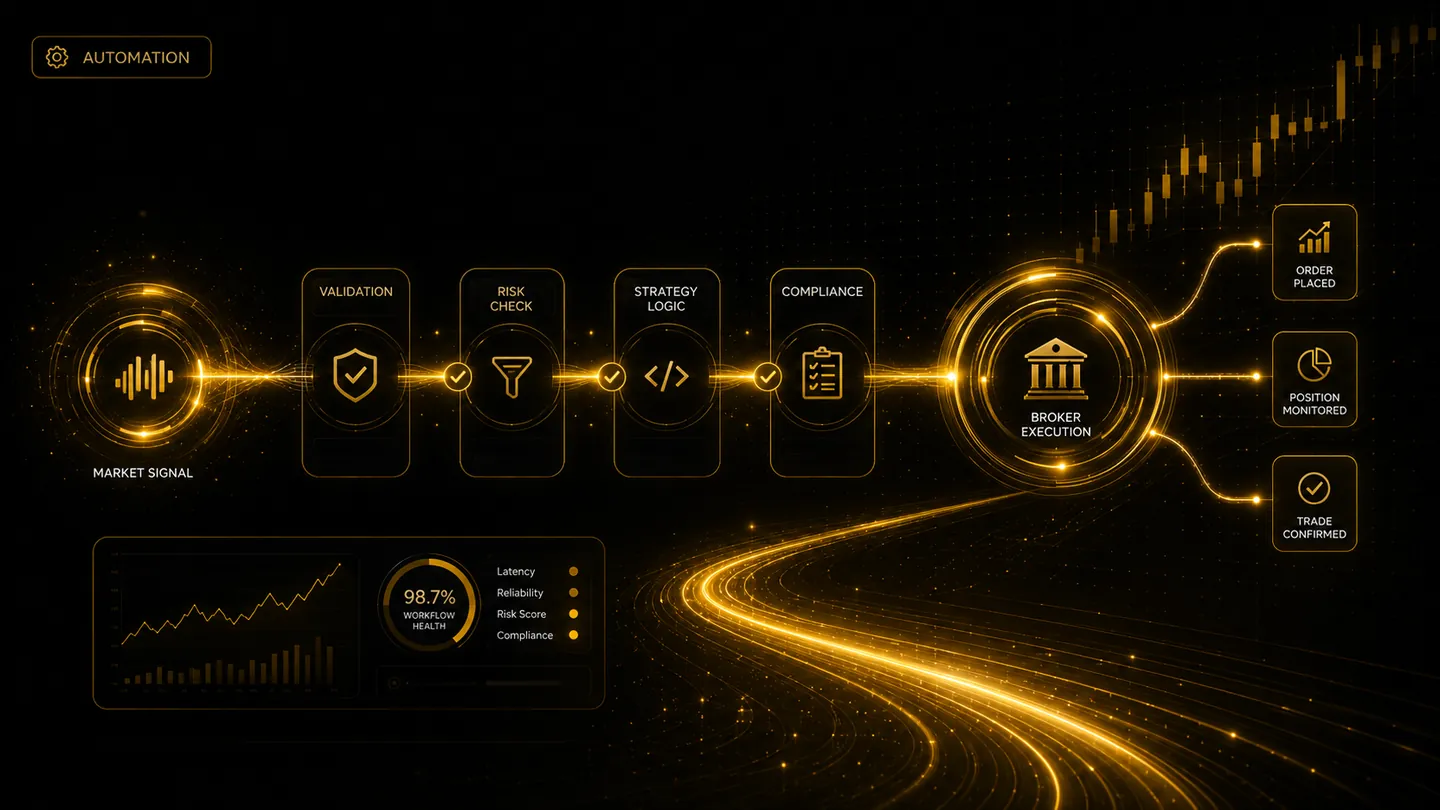
What is automated trading? A practical introduction for self-directed traders
Understand what automated trading does, what it does not do, and the components needed to turn a trading rule into a controlled execution workflow.
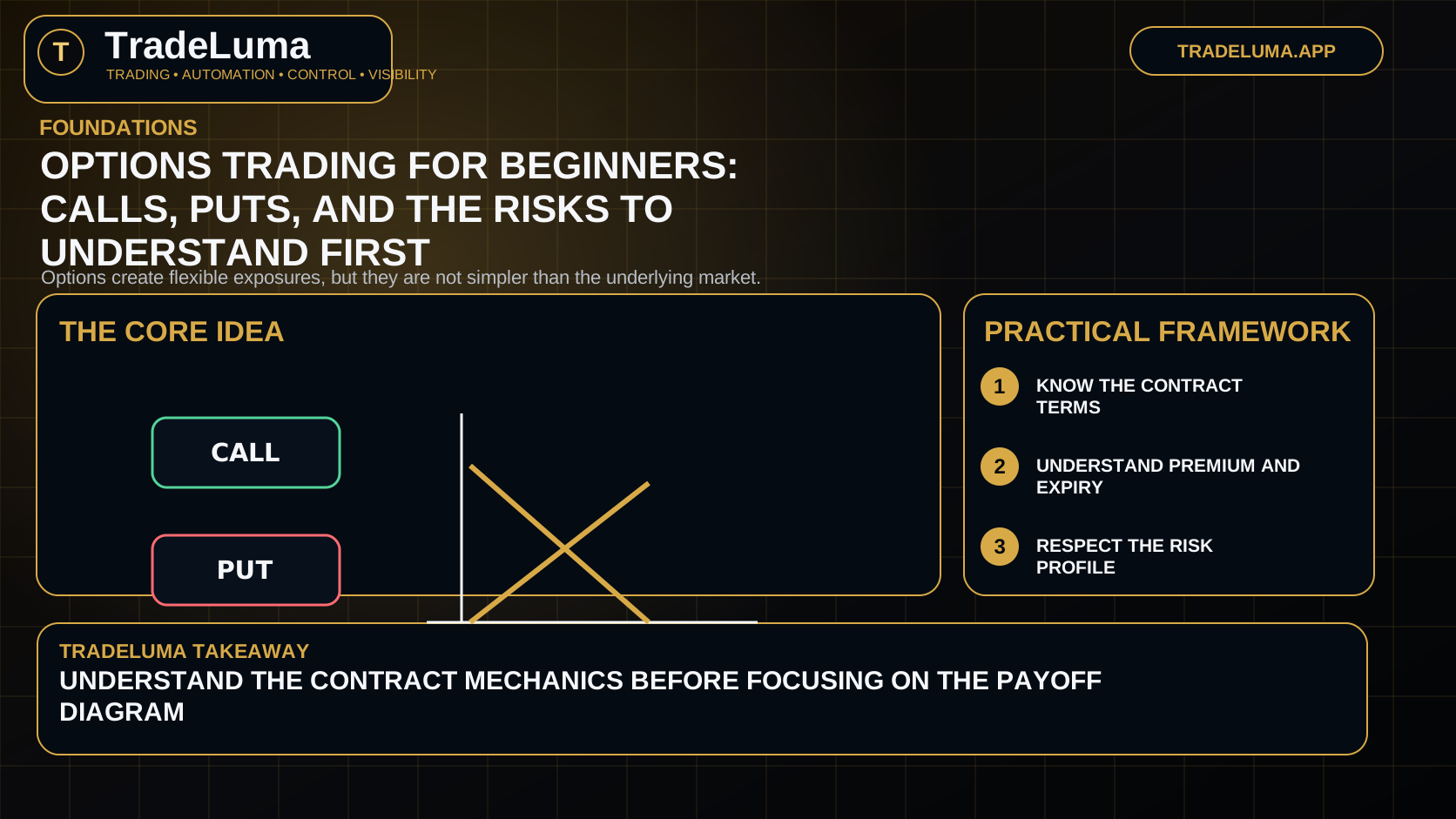
Options trading for beginners: calls, puts, and the risks to understand first
A beginner-friendly introduction to options trading, including calls, puts, premium, expiration, and why options behave differently from simple share or futures positions.